Each article on this site is written by Gilson Nascimento — app developer, CS graduate, and the creator of Happy Poop — drawing on peer-reviewed research from sources including the Mayo Clinic, NHS, WHO, and leading gastroenterology journals. The goal is to turn clinical knowledge into practical understanding: what's happening in your body, why it matters, and what you can do about it.
All articles include medical references and are regularly updated. They are intended for educational purposes only and do not substitute professional medical advice. If any article raises questions about your own health, please consult your physician.

A comprehensive exploration of the gold-standard diagnostic tool for assessing colonic transit time. Discover the mechanics of water absorption in the large intestine and what the seven morphological categories of stool reveal about your underlying health.
Read Full Article →
An in-depth clinical guide to gluten-sensitive enteropathy. Learn how this complex autoimmune disorder damages the intestinal villi, the wide-ranging systemic symptoms it provokes, and how precise dietary tracking facilitates mucosal healing.
Read Full Article →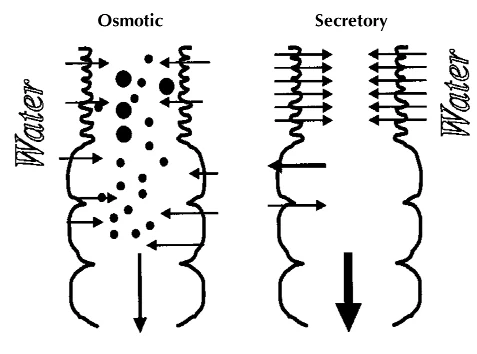
A deep dive into the biological mechanisms of bowel hypermotility. Learn the clinical differences between osmotic and secretory diarrhea, and the vital importance of Oral Rehydration Therapy.
Read Full Article →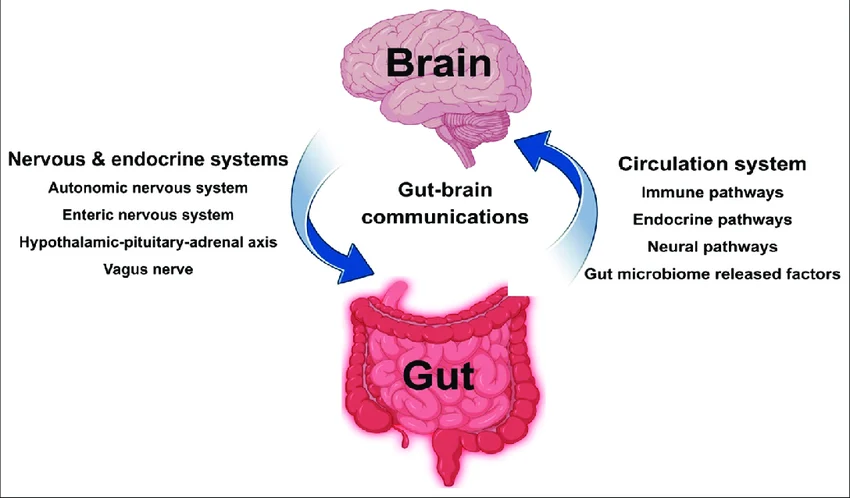
Explore the Gut-Brain axis and how it influences digestive health. This guide covers the four clinical diagnostic subtypes of IBS, gender disparities in diagnoses, and evidence-based lifestyle management.
Read Full Article →Understand the involuntary contractions of the detrusor muscle. Learn how to recognize the clinical symptoms of urgency incontinence and utilize behavioral management strategies like bladder training.
Read Full Article →A comprehensive guide to understanding blood in the stool. Learn how color indicates the origin of the bleed, from benign hemorrhoids to severe upper gastrointestinal pathology.
Read Full Article →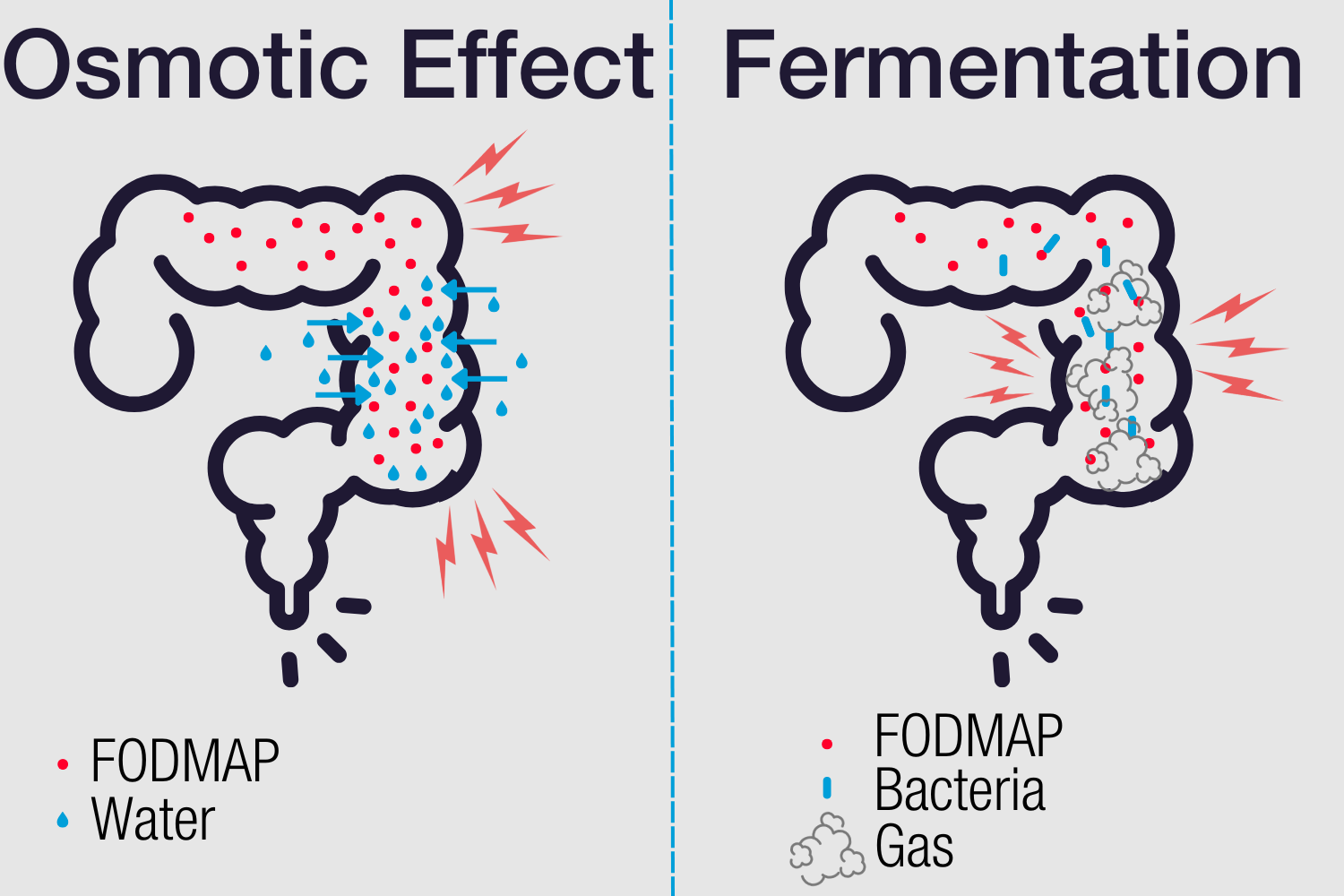
Discover the biochemistry behind short-chain carbohydrates and how their fermentation triggers IBS symptoms. Step-by-step guidance on the elimination and reintroduction phases of this specialized diet.
Read Full Article →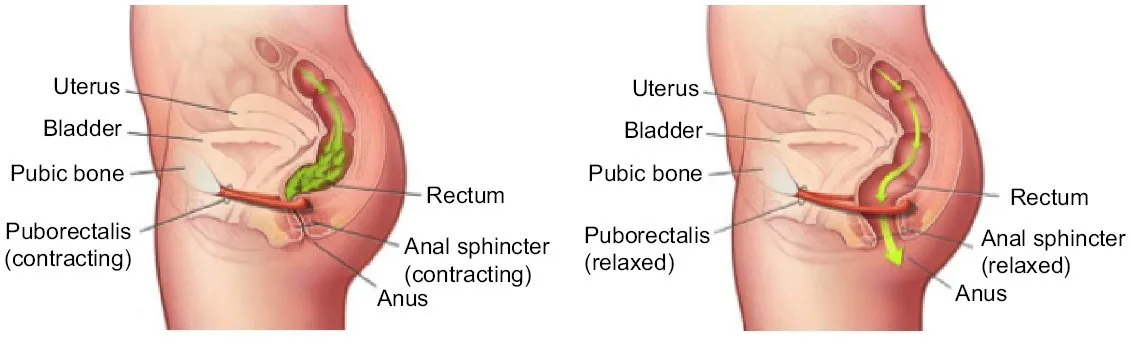
Understand the biomechanics of colonic water absorption and transit time. Learn how lifestyle choices, pelvic floor dysfunction, and neurological conditions contribute to delayed bowel motility.
Read Full Article →A clinical overview of meconium—the tar-like first feces of a mammal. Learn how it forms in the womb, the transitional phases of infant stool, and critical clinical warning signs of obstruction.
Read Full Article →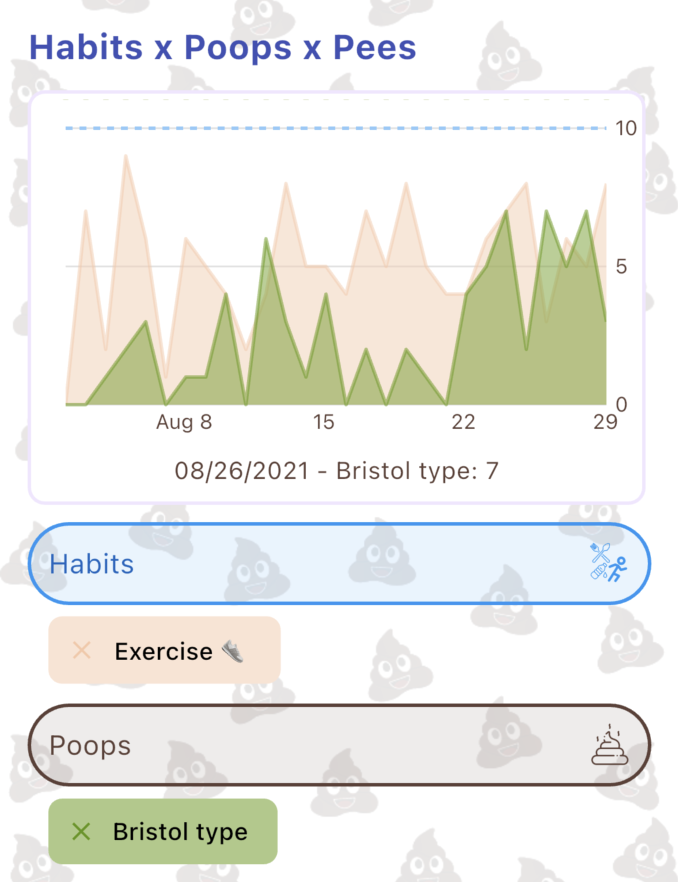
Discover why daily digestive tracking is a powerful preventative health measure. Learn how longitudinal data helps identify food triggers, manage stress flare-ups, and empower your gastroenterologist.
Read Full Article →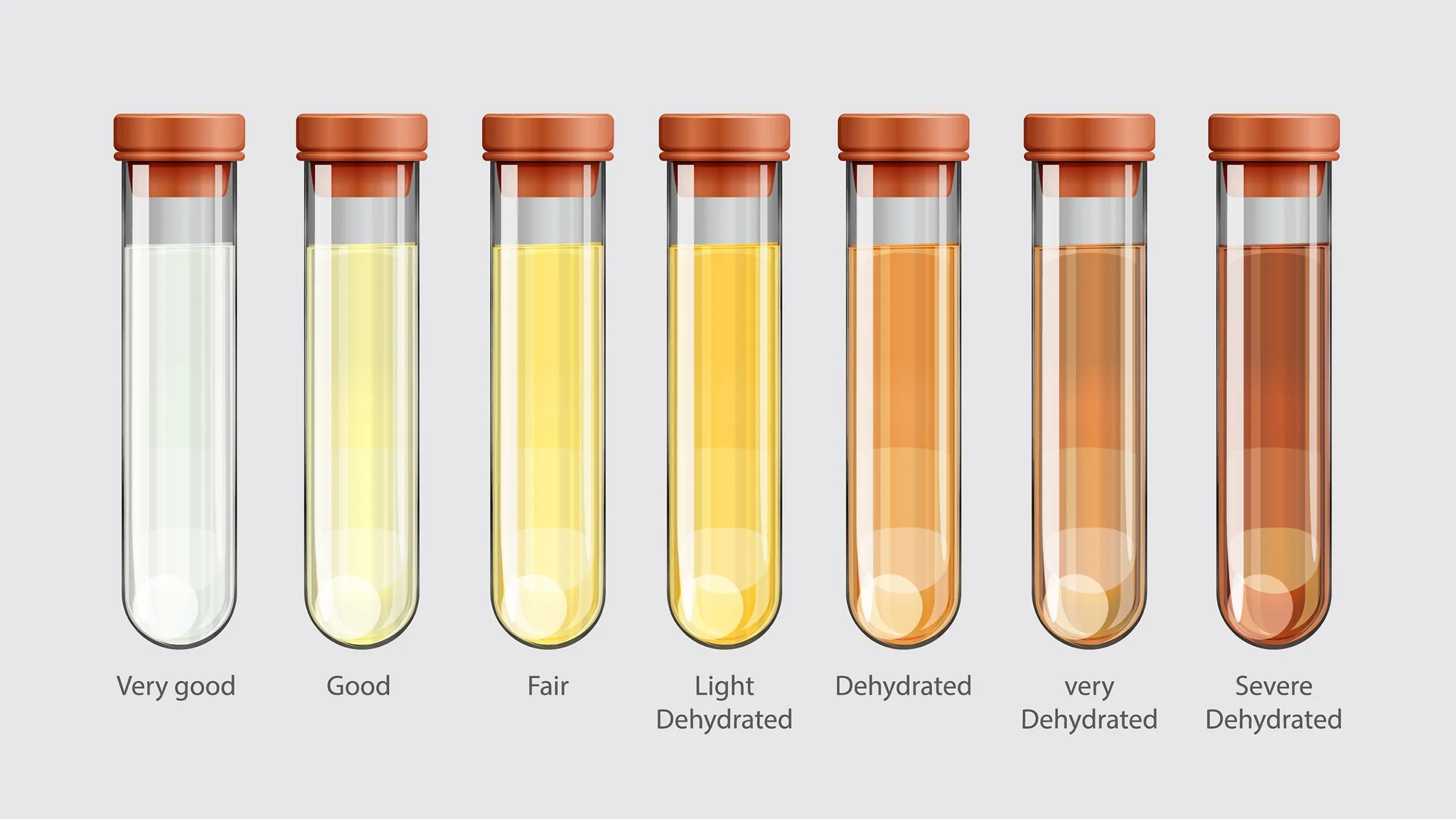
Water is the unsung hero of the gastrointestinal system. Explore the mechanics of colonic absorption, the synergy between hydration and dietary fiber, and how fluid intake shapes the Bristol Stool Scale.
Read Full Article →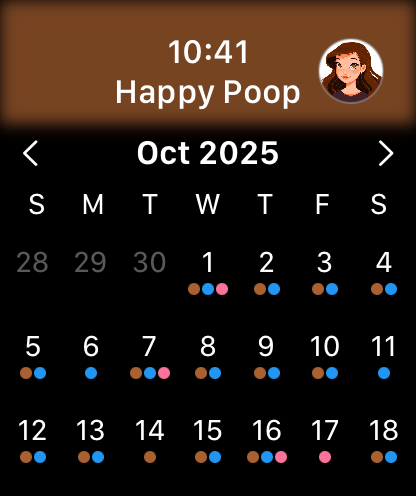
Building sustainable health habits requires eliminating friction. Learn how wrist-based wearables are revolutionizing personal data collection through discreet, instant logging and seamless cloud synchronization.
Read Full Article →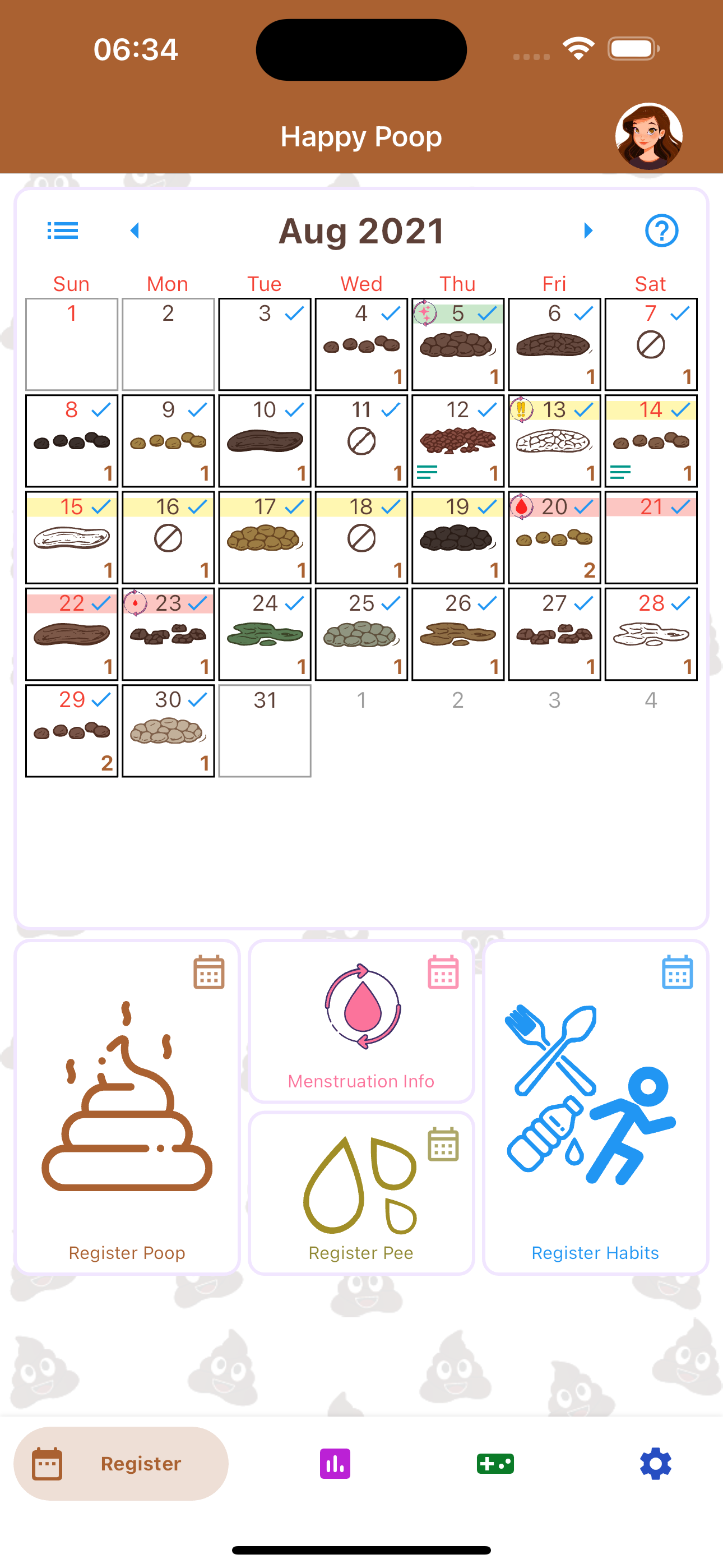
Ever noticed a drastic shift in your bowel habits right before or during your period? You aren't imagining it. Between the muscle-relaxing effects of progesterone and the intense contractions triggered by prostaglandins, your menstrual cycle is a primary driver of digestive health.
Read Full Article →Inside your intestines live approximately 38 trillion microorganisms that influence your digestion, immunity, mental health, and metabolic function. Learn what dysbiosis is, what disrupts your microbiome, and how tracking stool changes can reveal when your gut flora is out of balance.
Read Full Article →Affecting roughly two-thirds of the global adult population, lactose intolerance is far more nuanced than simply "avoiding dairy." Learn how lactase deficiency develops, how to identify your personal tolerance threshold, and how a food diary makes management practical rather than restrictive.
Read Full Article →That "gut feeling" is not a metaphor. Your enteric nervous system communicates bidirectionally with your brain via the vagus nerve, and chronic stress produces real, measurable changes in bowel motility, intestinal permeability, and microbiome composition. Learn how to track the patterns and break the cycle.
Read Full Article →A standard antibiotic course can reduce gut bacterial diversity by 25–30% within days, and some species may never fully recover. Learn what actually happens to your microbiome during and after a course of antibiotics — and which dietary and probiotic strategies have the strongest evidence for recovery.
Read Full Article →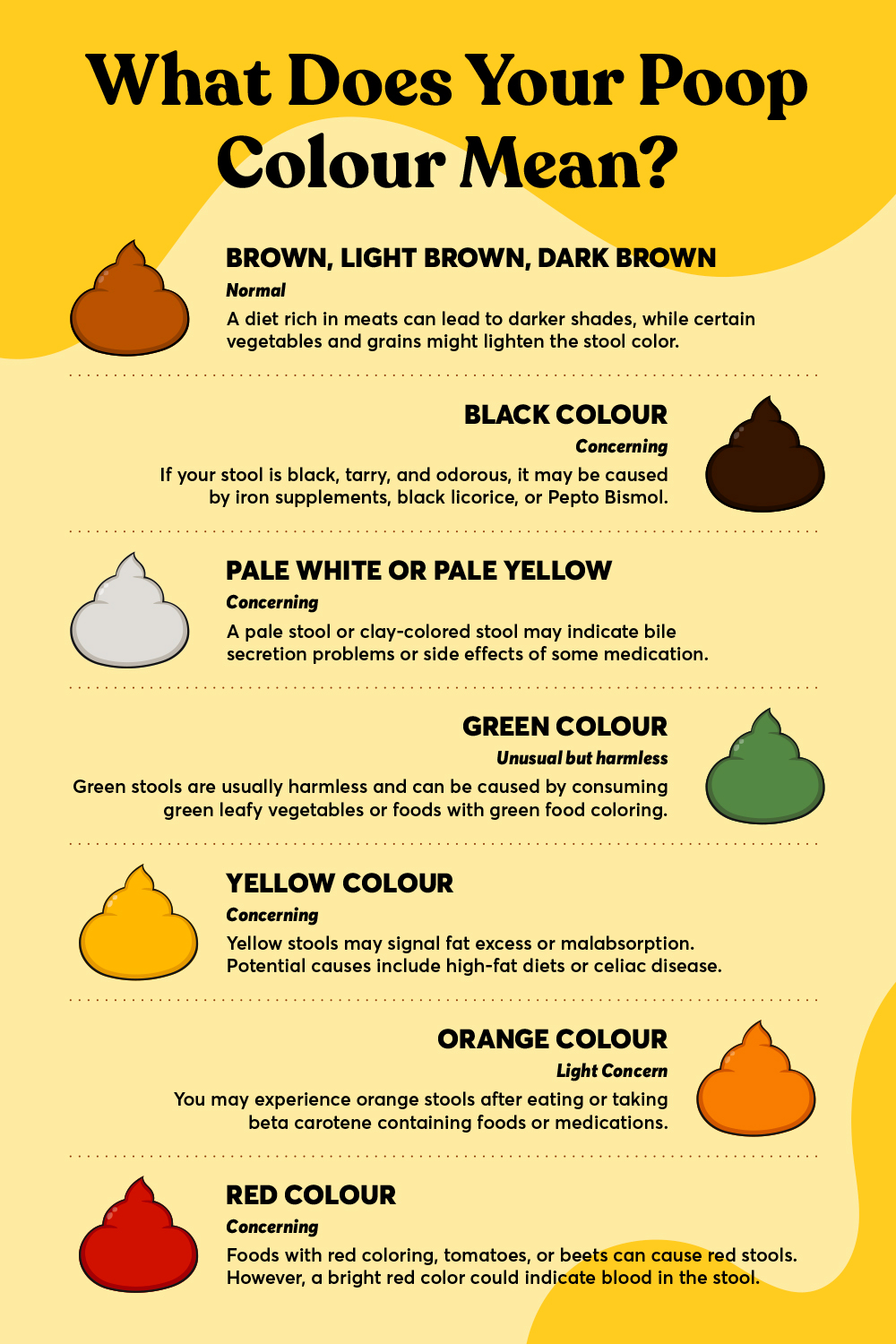
Brown, yellow, green, black, red, white — each color tells a different story about liver function, transit time, diet, and possible pathology. A practical clinician-level guide to reading your own stool color, knowing when variation is harmless and when it demands urgent attention.
Read Full Article →Constipation, diverticular disease, delayed gastric emptying, declining microbiome diversity — the aging GI system faces predictable challenges that are manageable when understood. A comprehensive guide for older adults and caregivers, covering physiology, medications, colorectal screening, and practical strategies.
Read Full Article →